

Gas Vs Electric Patio Heaters
If you are deciding between gas or electric patio heaters, there are a few factors you need to consider. These include cost, environmental impact, Heat coverage, mobility and safety.
Electric patio heaters emit little or no emissions and use radiant heat to warm objects and people instead of burning fuel to heat the air which is a more environmentally friendly alternative. However, you'll require proximity to an electrical socket to power them.
Cost
Electric patio heaters can be more practical to use and own since they plug directly into an electrical outlet. This can mean that they have higher operating costs than gas heating for patios. They also require regular cleaning and maintenance. It is crucial to examine the burners, connections and hose for any blockages because this can impact the output of your patio heater. It is also a great idea to regularly take off the heater cover and wash it to keep dirt from building up. This could cause damage.
Gas patio heaters, be it propane or natural gas models, have much lower running costs but they emit emissions due to the combustion process. This can be a problem when you're concerned about the quality of air and the environment. These heaters are large and require an additional gas supply. This limits their portability. They are a great choice for large gardens and are also popular in outdoor restaurants and event venues.
If you decide to go with a propane or natural gas model, a patio heater produces a powerful beam of heat that warms the surrounding area. This heat is measured in BTUs, and the more BTUs a patio heater generates, the warmer your area will be. Certain high-end heaters can produce more than 50,000 BTUs in an hour. They are perfect for large outdoor spaces or patios that require a significant amount of heat.
The effectiveness of the patio heating system is the most crucial factor. Patio heaters emit heat infrared, unlike traditional space heaters which blast hot air onto coils to warm air. Infrared radiation travels through air and hits solid objects like people and furnishings which convert into heat. This type of heat is more efficient than a gas heater that produces a lot heat but quickly goes away.
Environmental impact
Electric patio heaters, as a general rule are regarded to be more environmentally sustainable than gas-powered models. They don't emit any direct emissions, while gas patio heaters depend on the combustion of fossil fuels (propane or natural gas) to emit carbon dioxide and other greenhouse gases. The combustion process also produces harmful particulates that contribute to air quality issues. The propane and natural gas heating systems for patios require an independent source of fuel, which could restrict mobility and increase operating costs.
Electric heating systems employ a powerful reflector that focuses the heat energy exactly where it's needed, and not the surrounding area. They're also more efficient than traditional gas patio heaters, which can consume a lot of energy by heating the air surrounding them. This allows you to use your heater outdoors for longer and to save the cost of.
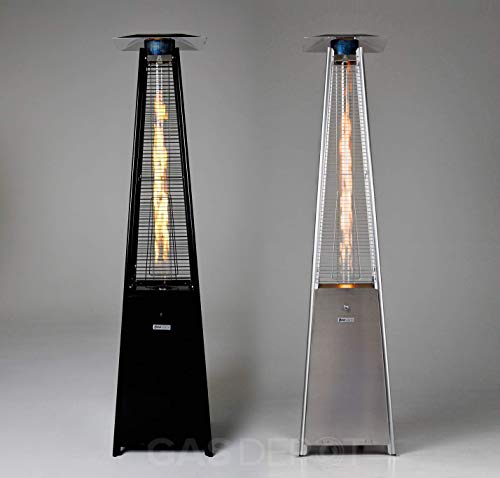
Gas patio heaters are ideal for commercial spaces. They can effectively and quickly heat large areas consistently. Due to the need for a separate source of fuel and the need for a separate source of fuel, gas patio heaters tend to be more expensive to operate than electric heaters. Gas models are also more costly to maintain, as they require regular cleaning and repairs of their components. Another downside is that they're more vulnerable to risks to safety, as they often require the handling of flammable propane tanks and are not able to shut off the power easily.
Heat coverage
Electric patio heaters can offer up to 40000 BTUs per hour, based on the model. This is enough to heat the smallest or medium-sized rooms and is perfect for those who appreciate the instant warmth of an electric heater. They can be switched off and back on in a matter of seconds, and can be used in conjunction with the remote switch to regulate the amount of heat produced. They are also greener than gas patio heaters as they produce no direct emissions and emitting only water vapour.
Gas patio heaters can be powered by natural gas or propane. They are known for producing a lot of heat. They work by releasing radiation and convection to heat the area and that's why they require at least 25% of the space to be open. Additionally they aren't as mobile as electric models, which are reliant on the proximity to an outdoor power outlet. They can be moved easily and are ideal for those who prefer convenience and sustainability over maximum heat coverage.
In Best patio heater gas www.fireplacesandstoves.uk to electric patio heaters gas heaters have an initial cost of purchase and a substantially higher operating expense. This is because gas patio heaters are powered by a gas source, which can be expensive in certain areas. Additionally, the majority of gas patio heaters are large and bulky, which makes them difficult to store away when not in use. This is a problem when you live in an apartment, or have a small space for your equipment.
Electric heaters are also simple to maintain. While they require regular cleaning and maintenance, they are less troublesome to maintain than gas patio heaters. Many electric patio heaters have remote controls that allow users to easily adjust the heat and temperature without leaving your chair. They are also lighter than gas heaters and they do not emit any smoke. This is a major benefit for those who don't want to annoy their neighbors with cigarette smoke.
Mobility
Electric patio heaters are great because they don't require fuel. This allows them to be moved easily across the area which is particularly beneficial for homes that may have limited outdoor heating options. Electric heaters also don't emit combustion byproducts, and they pose a lower gas leakage risk than other heaters.
On the other hand gas patio heaters rely on the connection to a gas line, which can restrict their mobility. This can be an issue for homeowners who want to make use of their outdoor spaces in different seasons. A lot of gas heaters require professional installation as well as an appropriate gas pipe for work.
There are a variety of solutions to this issue. For instance electric patio heaters can be plugged into an extension cord, which allows them to be used in areas which aren't near an electrical outlet. Furthermore, some heaters are also equipped with an remote control that permits you to operate them from an extended distance.
A propane-powered patio heater is another option. This kind of heater is a popular option for outdoor areas because it provides a substantial heat output and can be used in areas without natural gas lines. Additionally these heaters are more portable than their electric counterparts because they are powered by propane tanks that can be carried around.
In addition to being easy to move around propane patio heaters come in a variety of designs. You can choose from tabletop, freestanding wall-mounted, and more. The majority of models are wind-resistant, which stops them from crashing over when there is a strong wind. The top propane patio heaters also feature security mechanisms, including anti-theft features as well as flame arrestors to ensure they are safe.
Safety
A quality patio heater is a great addition to any outdoor living space. It offers quick heat to the surrounding area and can be controlled using an electronic remote or set up on a timer for convenience. It is essential to be safe when using an outdoor heater. You should follow the manufacturer's instructions and speak with an electrician or a plumber if needed to ensure that the patio heater has been installed correctly.
Electric patio heaters don't emit harmful gases and use infrared heat technology. They're also a more affordable option than gas models. There are a variety of designs available that include wall-mounted and freestanding units. Some are equipped with an electronic display that allows users to set different settings and monitor energy usage. You can even utilize a remote control to turn off the patio heater if you have to leave the room for a short period of time.
Gas patio heaters are more powerful than electric models but have higher operating costs. They also require regular refueling, which makes them less appealing. They also require a larger area of ventilation to stop the formation of dangerous carbon monoxide and nitrogen oxide gasses. These gases can cause people to become drowsy or even to die.
The best option for you will be based on your lifestyle and budget. Both styles have advantages and disadvantages, so consider what is most important to you prior to making an important choice. Other factors to take into consideration include heat coverage and mobility. You should also choose a model compatible with the plumbing and electrical system of your home. Also, keep in mind that permanent installations might require permits and cost more than portable models.